Not all pearls are created equal. Some are grown in oysters over years, while others are made in factories in a matter of hours. If you’ve ever wondered how to tell the difference, you’re not alone.
Thailand, especially places like Phuket, is known for its pearl markets. If you’re thinking about where to buy real pearl necklace Thailand shoppers would trust, knowing how to spot a genuine pearl is the first step. Let’s look at some simple ways to check what you’re really getting.
Start with the Surface
Real pearls are rarely perfect. If you look closely, you’ll usually see tiny bumps, irregularities, or soft ridges. Imitation pearls often look too smooth. They can also have a plastic-like shine instead of the soft glow you’d expect from a natural surface.
Rub Test
Take two pearls and gently rub them against each other. If they feel slightly gritty, they’re likely real. If they glide smoothly with no resistance, they’re probably fake. This trick works best with loose pearls, but you can sometimes do it with a necklace if you’re careful.
Look at the Drill Holes
The holes where the string goes through can reveal a lot. On a real pearl, the edges of the hole tend to be neat and show a bit of the nacre layering. Fake pearls may have chipped paint or coating around the hole. It’s a small detail, but it can be quite telling.
Check the Weight
Real pearls have a bit more heft to them. Fakes, especially plastic ones, feel noticeably lighter. If the necklace feels too light for its size, that’s a red flag. It’s worth comparing a few side by side if you’re at a shop.
Observe the Shine
A genuine pearl will reflect light softly and unevenly. Fakes often give off a harsh or overly glossy reflection. This is especially noticeable when you move them under natural light. Real pearls have depth, while fake ones often look flat.
Ask About the Source
Don’t be shy about asking where the pearls came from. Reputable sellers will often tell you whether they’re freshwater or saltwater, and sometimes even which farm they came from. If someone dodges the question or gives vague answers, be cautious.
Price Can Be a Clue
It’s not always the case, but if a necklace seems incredibly cheap, it’s worth asking why. Real pearls take time and care to produce. While Thailand has great prices, especially compared to other countries, a genuine piece still won’t come at rock-bottom rates unless it’s flawed or very small.
Inspect the Stringing
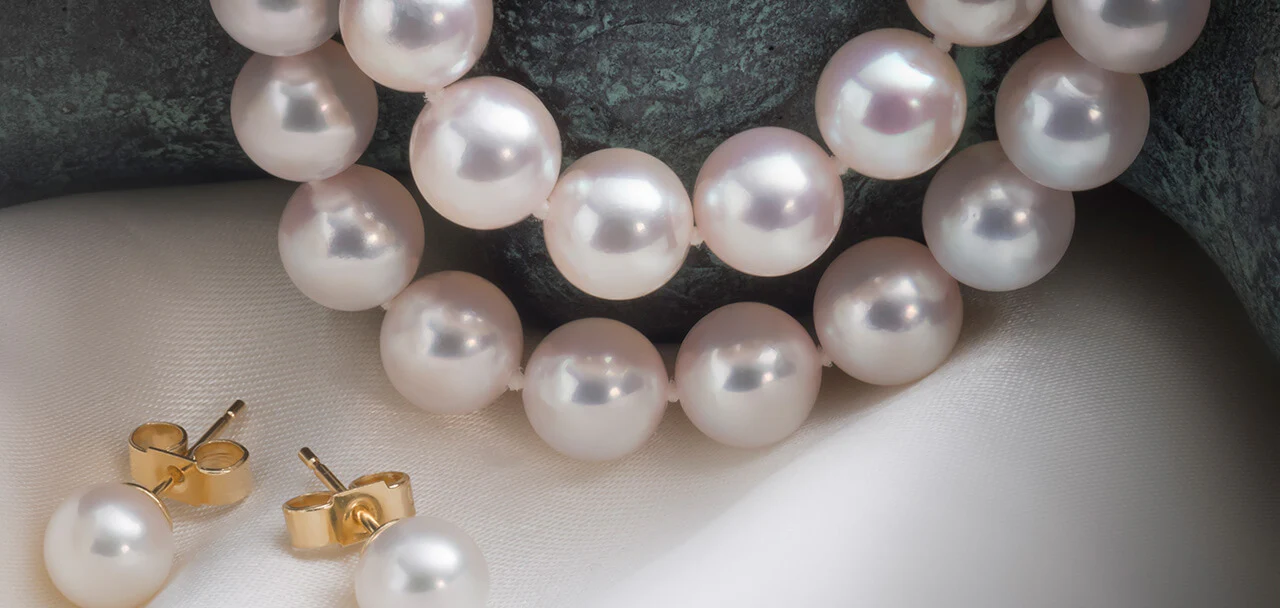
The way pearls are strung matters too. Real pearl necklaces are often knotted between each pearl to prevent rubbing. This also helps avoid loss if the string breaks. If you see a long line of pearls with no knots, that could be another sign they’re not the real thing.
When in Doubt, Get a Second Opinion
There’s nothing wrong with asking for advice if you’re unsure. Many shops in Thailand will let you bring in pieces for comparison. If you’ve already bought a necklace and are still wondering about its authenticity, have it checked by a jeweler who knows pearls well.
Getting familiar with the basic checks helps take the guesswork out of shopping. Whether you’re browsing market stalls or visiting a dedicated pearl showroom, a little knowledge makes it easier to spot the real deal.