Trends

Why Timeless Pieces Are Gaining Value in Trend Culture

The global fashion landscape is currently operating at a velocity that is historically unprecedented. Driven by digital algorithms, social media micro-trends, and ultra-fast fashion supply chains, the lifecycle of a trend has compressed from years to mere weeks. Consumers are constantly bombarded with a relentless stream of aesthetic shifts, urging them to discard yesterday’s garments in favor of today’s viral look.

Yet, beneath this surface of hyper-consumption, a powerful counter-movement is solidifying. Disillusioned by the frantic pace and declining quality of disposable fashion, discerning individuals are pivoting backward to look forward. Timeless pieces, garments and accessories characterized by classic silhouettes, exceptional craftsmanship, and enduring aesthetic relevance, are experiencing a massive surge in both financial and cultural value. This shift represents a fundamental rejection of trend culture, transforming classic wardrobe staples from traditional choices into revolutionary statements of stability, sustainability, and personal identity.

The Psychological Exhaustion of the Micro-Trend Cycle

To understand the rising value of timeless fashion, one must first analyze the psychological toll of modern trend culture. The contemporary retail ecosystem relies heavily on creating a perpetual sense of scarcity and social exclusion.

The Hedonic Treadmill of Fast Fashion

When consumer trends cycle rapidly, individuals enter a state of chronic aesthetic insecurity. A garment purchased three weeks ago can suddenly feel obsolete because an online algorithm has shifted the cultural consensus toward a new aesthetic. This relentless chase creates an exhausting psychological cycle known as the hedonic treadmill of consumption. Consumers spend significant mental energy and capital acquiring items that offer a fleeting dopamine hit, only to feel empty when the trend inevitably burns out.

Decision Paralysis and the Freedom of Uniformity

The sheer volume of micro-trends creates decision paralysis. Faced with an overwhelming array of aesthetic choices every morning, individuals experience cognitive fatigue before their workday even begins. Opting for a wardrobe anchored by timeless pieces, such as a perfectly tailored trench coat, a crisp white cotton poplin shirt, or a structured wool blazer, eliminates this friction. By establishing a reliable personal aesthetic framework, consumers reclaim their mental bandwidth, using their clothing as a tool for calm consistency rather than a source of daily anxiety.

The Economics of Quality and the Cost-Per-Wear Metric

In a culture dominated by cheap synthetic textiles, the physical durability of garments has plummeted. The financial realization that disposable clothing is an expensive habit is driving the economic valuation of classic pieces.

Deciphering the Cost-Per-Wear Formula

The initial purchase price of a high-quality, timeless garment can induce sticker shock when compared to fast-fashion prices. However, a rational economic evaluation relies on the metric of cost-per-wear. A cheap, trend-focused synthetic dress may cost a fraction of the price of a beautifully constructed premium wool trousers, but if the dress stretches, pills, or loses relevance after three washes, its cost-per-wear remains high. Conversely, a timeless piece made from high-grade natural fibers can endure hundreds of wears over a decade, reducing its ultimate cost-per-wear to pennies.

The Structural Integrity of Heritage Manufacturing

Timeless pieces retain value because they are built using manufacturing techniques that prioritize longevity. This includes:

  • Fully fashioned knitwear, where panels are knit to shape rather than cut from cheap fabric sheets, preventing seams from twisting over time.

  • Bound and French seams, which enclose raw fabric edges cleanly to eliminate fraying during laundry cycles.

  • Generous seam allowances, allowing the garment to be altered and tailored to fit the body perfectly as an individual’s weight fluctuates over the years.

The Environmental Imperative of Minimalist Wardrobes

The ecological devastation caused by the garment industry is no longer an abstract problem; it is a visible global crisis. The transition toward timeless fashion is a vital environmental strategy for reducing systemic waste.

Breaking the Cycle of Textile Waste

Ultra-fast fashion relies on synthetic fibers derived from petrochemicals, such as polyester, nylon, and acrylic. These materials do not biodegrade; instead, they sit in landfills for centuries, shedding microplastics into the global water supply. Because timeless garments are designed to transcend seasonal aesthetics, they are kept out of the waste stream. By extending the lifespan of a garment by just nine months, an individual can reduce its carbon, water, and waste footprint by roughly twenty to thirty percent.

The Shift to Regenerative Natural Fibers

Classic wardrobe pieces are traditionally crafted from natural, renewable fibers like silk, cashmere, organic cotton, linen, and wool. These materials possess inherent physical properties that synthetics cannot duplicate: they are naturally breathable, odor-resistant, and thermoregulating. Furthermore, natural fibers age gracefully, developing a unique character and patina over time rather than looking worn out and shabby after a few encounters with a washing machine.

Curating a Distinct Visual Identity independent of Algorithms

When everyone is buying into the same viral internet trends, personal style becomes homogenized. Timeless pieces serve as the foundational architecture for authentic self-expression.

The Illusion of Uniformity vs. True Sophistication

A wardrobe consisting entirely of classic, unembellished staples might superficially appear plain, but in practice, it functions as a blank canvas. It allows the character, posture, and intellect of the wearer to command attention, rather than the loud branding of a transient corporate trend. True sophistication relies on the subtle details: the drape of a heavy wool fabric, the precision of a shoulder line, and the subtle texture of a weave. These elements project an aura of quiet confidence and permanent relevance that trend-chasing can never replicate.

Seamless Versatility and Modular Dressing

A curated collection of timeless garments naturally forms a modular wardrobe, often referred to as a capsule wardrobe. Because classic pieces feature clean lines and a harmonious palette of neutral tones, almost every item can be paired effortlessly with any other. This high level of versatility maximizes the utility of each garment, allowing a person to transition seamlessly from a formal professional setting to a casual evening environment with the simple addition or subtraction of a single layer.

Frequently Asked Questions

How can a consumer distinguish between a genuine timeless piece and a trend disguised as a classic?

To identify a true timeless piece, evaluate its design history and construction. A classic item features a silhouette that has remained aesthetically viable for at least several decades, such as the classic double-breasted blazer or a minimalist leather loafer. Look closely at the garment’s details: avoid pieces with exaggerated, hyper-specific hardware, unconventional proportions, or seasonal colorways that align too closely with a specific online trend. If the garment would look natural in a photograph from thirty years ago and equally appropriate today, it is inherently timeless.

Why do timeless luxury goods hold their resale value better than trend-driven designer items?

The resale market operates on the laws of long-term demand. Trend-driven designer items are highly speculative; they experience a massive spike in value during their viral peak, followed by a sharp collapse once the cultural focus shifts to a new aesthetic. Timeless luxury goods, such as structured heritage trench coats or iconic, logo-free leather bags, maintain a steady, permanent demand. Collectors and vintage shoppers know these items will always remain relevant, making them a safe and liquid store of financial value in the secondary market.

Does building a timeless wardrobe mean sacrificing all color and print?

No, a timeless wardrobe does not require you to wear exclusively black, beige, and white. Classic style accommodates colors and prints that have a proven historical longevity. Patterns like subtle houndstooth, traditional glen plaid, Breton stripes, and delicate pinstripes are considered timeless. Similarly, deep, saturated tones like navy blue, emerald green, burgundy, and camel function beautifully as neutrals within a classic framework, allowing for visual depth without relying on fleeting seasonal neon or pastel trends.

How does the concept of timeless fashion apply to jewelry and accessories?

Timeless jewelry and accessories rely on structural simplicity, geometric balance, and noble materials. Pieces like solid gold hoop earrings, a classic leather belt with a simple brass buckle, a mechanical wristwatch with a clean dial, or a single strand of pearls transcend historical eras. These items are valued because they provide a cohesive anchor to any outfit, serving as subtle indicators of quality and taste that harmonize with both vintage ensembles and contemporary tailored clothing.

What is the relationship between timeless fashion and body positivity?

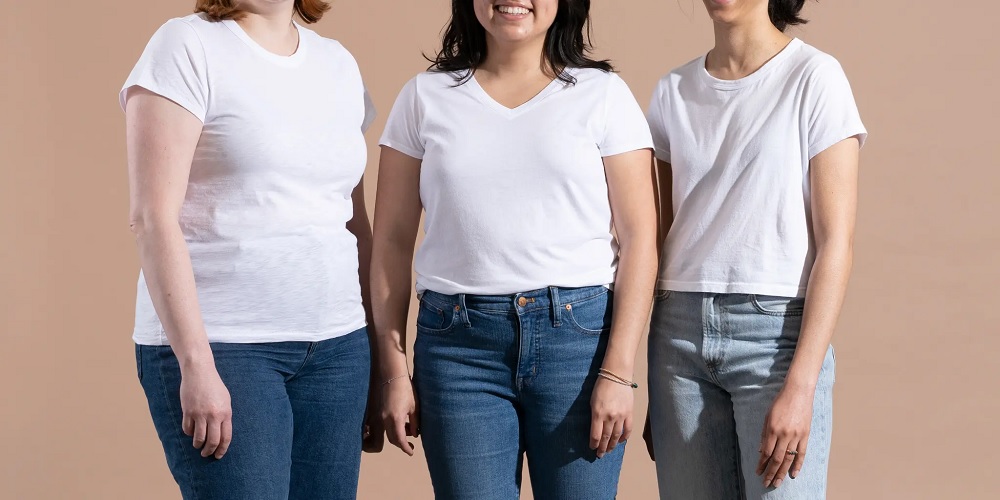
Trend culture often designs clothing tailored to a very specific, temporary body ideal promoted by contemporary media, making many shoppers feel excluded. Timeless fashion, conversely, focuses on classic tailoring principles that celebrate natural human anatomy. Garments like a wrap dress, an A-line skirt, or a straight-leg mid-rise trouser are engineered to distribute fabric in a way that provides comfort, ease of movement, and elegant structure to a diverse range of body shapes and sizes.

Can fast-fashion brands produce true timeless pieces if the silhouette is classic?

While a fast-fashion brand can copy the visual silhouette of a classic design, they rarely produce a true timeless piece. Timelessness is a holistic concept that combines aesthetic longevity with physical endurance. Fast-fashion business models rely on cheap, rapid production, utilizing low-grade synthetic fibers and fragile stitching to keep prices low. Even if a fast-fashion coat looks classic on a store hanger, it will likely stretch, pill, warp, or fall apart after a single season of use, failing the fundamental durability requirement of a timeless wardrobe asset.

Related Articles

Back to top button