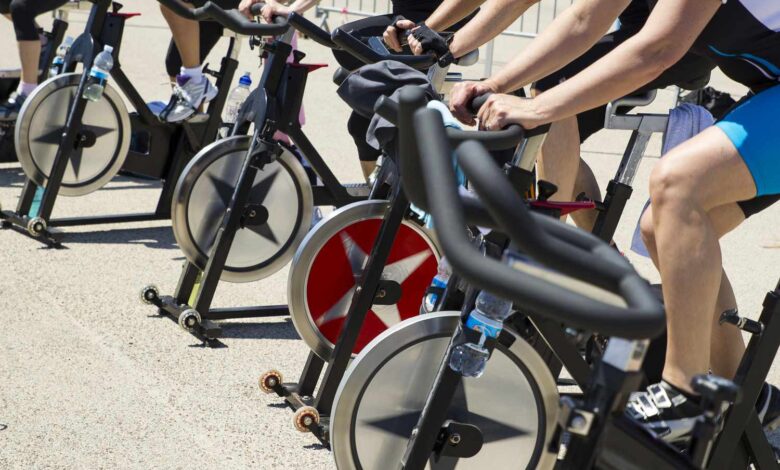
Fitness routines often change more than physical health. Over time, they shape posture, movement habits, and how people feel in their own bodies. In Singapore, where professional appearance and comfort matter equally, many individuals notice that regular spinning classes influence how they dress, sit, and carry themselves long after they leave the studio.
Rather than focusing only on gym wear, indoor cycling creates subtle physical and psychological shifts that affect everyday clothing choices and self-perception.
Movement Quality Shapes Clothing Comfort
Spinning classes emphasise controlled, repetitive lower-body movement combined with core engagement. Over time, this improves posture and muscular balance, which directly affects how clothes feel on the body.
Participants often experience:
-
Improved upright posture when standing or walking
-
Reduced lower-back stiffness from prolonged sitting
-
Greater awareness of hip and core alignment
-
Smoother, more confident movement patterns
As posture improves, everyday clothing tends to fit and feel better without changing wardrobe sizes.
Body Awareness and Fit Preferences
One of the most noticeable changes among regular cyclists is increased body awareness. This does not necessarily mean focusing on appearance, but rather understanding how the body moves and responds.
This awareness influences clothing choices in several ways:
-
Preference for clothes that allow natural movement
-
Reduced tolerance for restrictive waistbands or stiff fabrics
-
Greater appreciation for breathable materials
-
Selection of silhouettes that support comfort during long days
In a climate like Singapore’s, where comfort is essential, these shifts are especially practical.
Confidence Through Functional Strength
Spinning classes build strength in the legs, hips, and core, areas that strongly influence body confidence. As functional strength improves, many people feel more comfortable in fitted or structured clothing.
This confidence often shows up as:
-
Choosing tailored pieces without feeling restricted
-
Feeling more comfortable in slimmer cuts
-
Improved comfort when standing or walking for long periods
-
Less reliance on overly loose clothing for concealment
Confidence comes from capability rather than appearance alone.
How Posture Changes Clothing Perception
Posture affects how garments drape and move. Regular indoor cycling strengthens muscles that support spinal alignment and pelvic stability.
As posture improves, clothing tends to:
-
Sit more naturally on the shoulders
-
Fall more evenly along the torso
-
Feel less restrictive around the waist and hips
-
Require fewer constant adjustments throughout the day
These changes enhance comfort and presence, especially in professional settings.
Breathability and Fabric Awareness
Spinning classes heighten awareness of heat regulation and breathability. Participants become more conscious of how fabrics interact with sweat and airflow.
This awareness often carries over into daily wardrobes, leading to:
-
Preference for breathable cotton blends or technical fabrics
-
Avoidance of heavy or non-ventilated materials
-
Greater attention to moisture management
-
Better layering choices for indoor and outdoor environments
In Singapore’s humidity, this practical awareness improves daily comfort significantly.
Dressing for Long Workdays
Professionals who attend spinning classes regularly often prioritise clothing that supports long hours without discomfort.
Common preferences include:
-
Stretch-friendly fabrics that adapt to movement
-
Lightweight materials that reduce heat buildup
-
Structured yet flexible designs
-
Footwear that supports walking and standing
These choices reflect a shift toward function-driven style rather than purely aesthetic decisions.
Body Confidence Without Obsession
Spinning classes influence body confidence in a subtle but lasting way. Instead of focusing on mirror-based validation, confidence grows from physical capability and consistency.
Participants often report:
-
Feeling more grounded in their bodies
-
Less anxiety about minor fluctuations in appearance
-
Increased comfort in social and professional settings
-
A more positive relationship with clothing choices
This confidence supports authentic self-expression rather than trend chasing.
Clothing as an Extension of Movement
When movement improves, clothing becomes an extension of function rather than a limitation. Spinning classes reinforce the importance of mobility and comfort, which shapes everyday style.
This mindset encourages:
-
Choosing clothes that support movement
-
Avoiding garments that restrict natural posture
-
Prioritising fit that allows freedom
-
Viewing comfort as a form of confidence
This approach aligns well with modern professional lifestyles.
From Studio to Street: Lifestyle Integration
Spinning classes do not exist in isolation. They influence how individuals transition between gym, work, and social commitments.
Lifestyle-driven changes include:
-
Keeping activewear-inspired elements in casual outfits
-
Selecting versatile clothing for quick transitions
-
Valuing practicality alongside style
-
Reducing the need for frequent outfit changes
This integration supports efficiency and comfort throughout the day.
The Role of a Supportive Fitness Environment
A positive training environment reinforces confidence beyond physical outcomes. Feeling supported and comfortable during workouts translates into greater self-assurance outside the gym.
At True Fitness Singapore, RPM indoor cycling sessions provide a welcoming, structured setting that allows members to focus on performance and enjoyment. This supportive atmosphere contributes to confidence that extends into everyday life, including how members dress and present themselves.
Redefining Style Through Physical Capability
Style becomes more intentional when it reflects how the body feels rather than how it is perceived. Spinning classes encourage a capability-first mindset that reshapes personal style choices.
Participants often:
-
Choose outfits that feel empowering rather than restrictive
-
Value versatility over trend-driven pieces
-
Feel more at ease in both casual and professional attire
-
Express confidence through simplicity and comfort
This shift supports a sustainable relationship with fashion.
Real-Life FAQs About Spinning Classes and Body Confidence
Q: Can spinning classes really affect how I feel in my clothes?
A: Yes. Improved posture, strength, and body awareness often lead to greater comfort and confidence in everyday clothing.
Q: Do spinning classes change body shape significantly?
A: While changes vary, many participants notice improved muscle tone and posture, which can influence how clothes fit.
Q: Is body confidence from spinning about appearance?
A: It is more about physical capability and comfort, which naturally enhances confidence.
Q: Will spinning classes make me prefer athletic clothing only?
A: Not necessarily. Many people simply become more selective about comfort and movement-friendly designs.
Q: Can spinning classes help with posture-related clothing discomfort?
A: Yes. Strengthening core and lower-body muscles supports better posture, which improves clothing comfort.
Q: Does this confidence apply in professional settings?
A: Absolutely. Feeling physically capable often translates into stronger presence and comfort at work.
Q: How long does it take to notice these changes?
A: Many people notice subtle shifts within a few weeks of consistent participation.
By enhancing posture, movement awareness, and physical confidence, spinning classes influence more than fitness. They shape how individuals in Singapore choose, wear, and feel in their everyday clothing.