In the modern retail landscape, brick-and-mortar storefronts no longer exist merely to distribute merchandise. With e-commerce offering unmatched convenience, physical retail must offer something digital platforms cannot: a tangible, immersive experience. For boutique spaces, success is directly tied to dwell time, which is the amount of time a customer spends exploring a store.
When customers linger, their relationship with the brand deepens, their likelihood of making a purchase increases, and their average transaction value rises. Forcing a sale is ineffective; instead, boutique owners must cultivate an environment that naturally encourages exploration, relaxation, and discovery. Achieving this requires a strategic blend of environmental psychology, sensory design, and intentional spatial layout.
The Power of the Decompression Zone
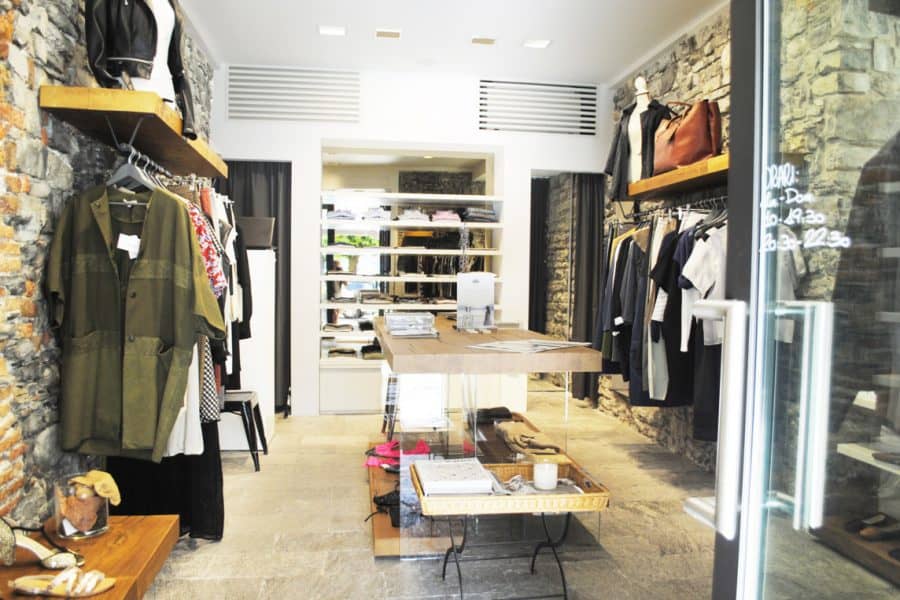
The first few feet of a boutique space are the most critical for setting the tone of the shopping experience. Known in retail design as the decompression zone, this area functions as a psychological waiting room where customers transition from the chaotic outside world into the curated environment of the store.
Immediate Sensory Shift
Upon crossing the threshold, customers need a moment to adjust to the new lighting, temperature, and acoustics. If a boutique immediately confronts shoppers with dense clothing racks, aggressive signage, or hovering sales staff, the brain triggers a subtle stress response. A successful decompression zone is open, well-lit, and uncluttered. It allows the customer to take a breath, scan the environment, and subconsciously decide that the space is safe and welcoming enough to warrant their time.
Navigational Freedom
When the entry area is spacious, shoppers do not feel pressured to move in a specific direction immediately. This lack of friction lowers their defenses. Once a customer decompresses, they naturally look to the right side of the store, a psychological phenomenon known as the invariant right. Boutiques can leverage this by placing their most captivating, story-driven displays just beyond the decompression zone on the right-hand side, drawing shoppers deeper into the space.
Strategic Layouts that Prevent Visual Fatigue
A major reason customers leave retail spaces prematurely is visual fatigue. When an environment feels chaotic or predictable, the brain loses interest. Boutiques must use layout strategies that stimulate curiosity while remaining easy to navigate.
The Curated Loop and Pathing
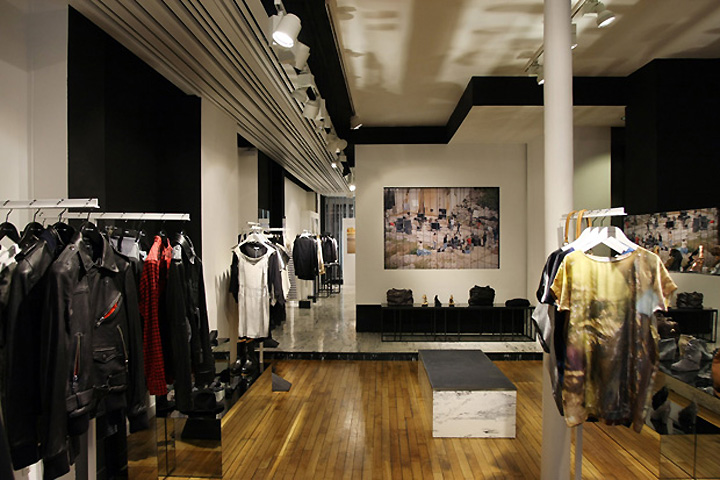
Unlike large department stores that utilize rigid grid systems, boutiques thrive on free-flow or loop layouts. A free-flow layout arranges fixtures at angles that encourage browsing without a predetermined path. This setup creates pockets of discovery, making the shopping experience feel like an exploration rather than a chore. By utilizing varied fixture heights and open sightlines, the layout gently guides the eye from one vignette to the next, naturally extending the time spent in the store.
The Butt-Brush Effect
Coined by retail anthropologist Paco Underhill, the butt-brush effect dictates that shoppers, particularly women, will intentionally avoid browsing merchandise if they are repeatedly bumped from behind by other customers or fixtures. If aisles are too narrow, a shopper will abandon an item and leave the area entirely to protect their personal space. Boutiques must ensure that pathways are wide enough to accommodate comfortable movement, allowing customers to linger in front of displays without feeling exposed or crowded.
Sensory Mapping: Engaging the Subconscious
Human beings experience the world through five senses, yet traditional retail often focuses exclusively on the visual. To maximize dwell time, boutiques must master sensory mapping, ensuring that sound, scent, and touch work together to create an inviting atmosphere.
Acoustic Comfort and Tempo
Background music acts as the heartbeat of a retail space. The tempo and volume of music directly influence physical movement. High-tempo, loud music causes shoppers to move faster and make impulsive decisions, which is ideal for fast-fashion outlets but detrimental to boutiques. Slow-tempo music, such as ambient tracks, soft jazz, or indie acoustic melodies, induces relaxation. When the music slows down, the heart rate follows, and shoppers naturally slow their walking pace, spending more time examining products.
Ambient Scenting and Emotional Anchors
Scent bypasses the logical brain and travels directly to the limbic system, which governs memory and emotion. A signature ambient scent can make a boutique unforgettable. Scents like cedarwood, amber, and vanilla evoke feelings of warmth, luxury, and comfort. Conversely, clean notes like white tea or citrus can make a space feel open and refreshing. The key to successful retail scenting is subtlety; an overpowering fragrance will drive customers away, while a gentle, sophisticated scent creates a welcoming environment that people want to remain in.
Lighting Architecture: Creating Drama and Comfort
Lighting is one of the most powerful tools for influencing human behavior, yet it is frequently misunderstood. Harsh, uniform fluorescent lighting creates a sterile environment that reminds shoppers of supermarkets or medical facilities, signaling them to hurry.
Ambient vs. Accent Lighting
An effective boutique relies on layered lighting. Ambient lighting sets the overall mood, which should be warm and soft to mimic the comfort of a well-designed home. Accent lighting, such as directed spotlights, track lights, or hidden LED strips, is then used to illuminate specific products or displays. This contrast between light and shadow creates visual drama. The human eye is naturally drawn to brighter points in a room, allowing boutique owners to create a visual treasure hunt that guides customers from one display to another.
The Psychology of Fitting Room Lighting
The fitting room is the final hurdle in the purchasing journey, and it is where many sales are lost due to poor lighting. Overhead downlighting creates harsh shadows on the face and body, highlighting imperfections and causing immediate discomfort. Boutiques that excel in customer retention use vertical, diffused light strips on either side of the mirror. This eliminates shadows and provides a warm, flattering glow, boosting the shopper’s confidence and encouraging them to spend more time trying on garments.
Micro-Hospitality and Tactical Rest Zones
If a customer becomes physically tired, their shopping excursion ends immediately. Introducing elements of hospitality into a boutique space addresses physical limitations while transforming the store into a social hub.
Integrated Seating Areas
Placing comfortable plush chairs, sofas, or benches within the retail footprint is highly effective for prolonging visits. These seating zones serve two main purposes. First, they provide a resting place for shopping companions, ensuring they do not pressure the primary shopper to leave. Second, they break up the retail environment, signaling to the customer that they are welcome to slow down, rest, and treat the store as a lounge rather than a commercial transaction zone.
Refreshment Rituals
Offering a beverage, such as a cup of herbal tea, an espresso, or sparkling water, completely changes the dynamic between the customer and the business. Accepting a drink creates a micro-contract of hospitality. The customer transitions from a passive observer to a guest. Sipping a beverage requires a slower pace of movement, automatically guaranteeing that the individual will remain in the space for at least the time it takes to finish the drink.
Frequently Asked Questions
How does the color palette of boutique walls impact a customer’s sense of time?
Warm, dark colors like charcoal, deep emerald, and burgundy tend to make an environment feel enclosed, intimate, and cozy, which can make time pass without notice for consumers seeking an escape. Light, neutral tones like ivory, beige, and soft gray create an illusion of spaciousness and calm, reducing anxiety and allowing for a relaxed browsing experience. Bright, highly saturated colors like neon yellow or intense red can cause overstimulation, leading to visual exhaustion and shorter visits.
Should boutique staff engage with customers immediately to keep them in the store longer?
Immediate verbal engagement can backfire, particularly if the customer is still in the decompression zone. It is better for staff to offer a non-verbal greeting, such as a smile or a nod, acknowledging the customer’s presence without interrupting their transition into the space. Staff should wait to engage verbally until the customer has slowed their pace, begun touching merchandise, or made direct eye contact, ensuring the interaction feels organic rather than invasive.
What role does the tactile experience of the flooring material play in retail dwell time?
Flooring material significantly affects physical comfort. Polished concrete or hard tile floors reflect sound, increasing ambient noise levels, and cause fatigue in the feet and legs relatively quickly. Incorporating thick area rugs or utilizing softer flooring materials like hardwood or cork absorbs sound, creating a quieter environment. This reduction in physical strain allows shoppers to stand and walk for longer periods without discomfort.
How can digital elements be incorporated into a boutique without ruining the slow retail environment?
Digital components should enhance the physical experience rather than distract from it. Instead of loud, flashing video screens, boutiques can use subtle technology like tablets in the lounge area for browsing extended collections, or smart mirrors in fitting rooms that allow customers to request different sizes without leaving the room. The technology should blend into the background, serving as a tool for convenience rather than entertainment.
How often should a boutique rearrange its interior displays to maintain long dwell times?
While consistency helps loyal customers find their favorite staples, refreshing the primary display tables and window vignettes every two to three weeks keeps the environment dynamic. If a space remains identical for months, repeat customers will scan the room quickly, realize nothing is new, and leave. Subtle changes in merchandising create a continuous sense of novelty, prompting shoppers to investigate the space thoroughly during each visit.
Why is product density inversely related to the amount of time a customer spends in a boutique?
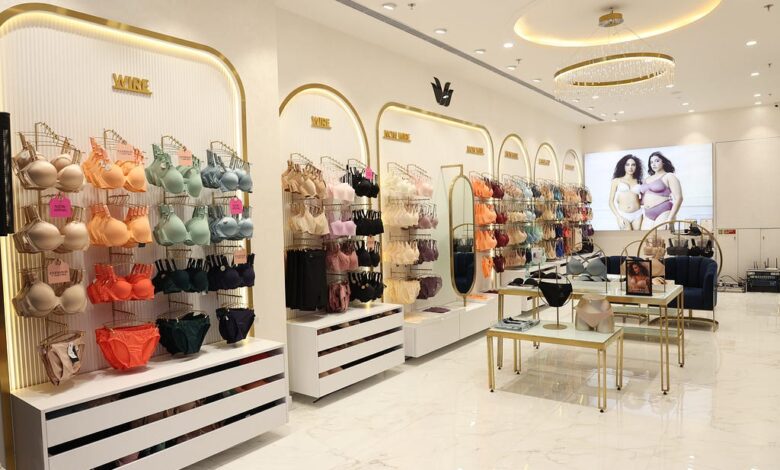
High product density, where racks are packed tight and shelves are overflowing, requires significant cognitive effort to process. Shoppers easily become overwhelmed by the sheer volume of choices, leading to decision paralysis and a desire to exit. Lower product density, featuring curated items with plenty of space around them, elevates the perceived value of the merchandise and makes browsing feel effortless, encouraging a slower and more enjoyable exploration.